Organizational governance
We seek to integrate social responsibility into decision-making, defined responsibilities and management review, supported by ethical conduct and transparency.
Responsible business practices that connect our governance, people, products and relationships with our wider contribution to society.
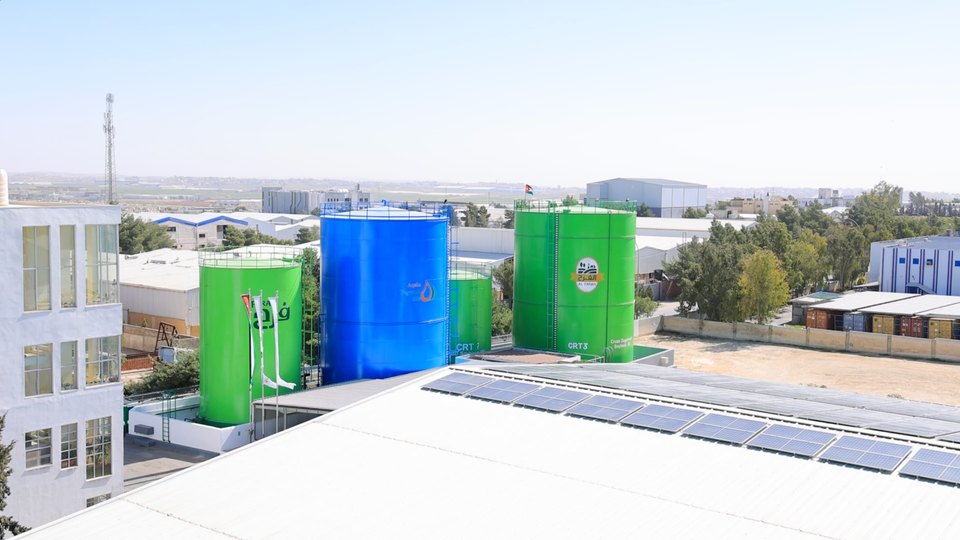
Aqaba Manufacturing and Refining Vegetable Oils Co. integrates social responsibility principles into its governance, business operations, environmental practices, employee relations, customer commitments, and stakeholder engagement.
The Company uses ISO 26000:2010 — Guidance on Social Responsibility as a reference framework for evaluating and continuously improving its social responsibility practices.
ISO 26000 provides guidance on social responsibility and is not a certification standard. Our use of this guidance does not constitute certification, a claim of conformity, or independent assurance of our sustainability reporting.
The Company reviews its social responsibility practices through internal self-assessment, documented management practices, and periodic management review, using the guidance in ISO 26000 to identify opportunities for improvement.
Our approach draws on the principles of ISO 26000 to consider the effects of our decisions and activities on people, society and the environment.
The seven core subjects of ISO 26000 provide a framework for considering relevant issues and setting priorities for improvement within our business and relationships.
We seek to integrate social responsibility into decision-making, defined responsibilities and management review, supported by ethical conduct and transparency.
Our commitments emphasize respect for dignity, equal opportunity, inclusion and the fair treatment of people affected by our activities.
We place emphasis on safe working conditions, employee wellbeing, skills development and constructive communication in the workplace.
Our approach considers resource efficiency, pollution prevention and the environmental effects of our operations, with further detail on our Sustainability page.
We promote ethical business relationships, responsible sourcing and respect for the interests of suppliers and other business partners.
Food safety, product quality, clear information and responsible handling of customer feedback are central to our customer commitments.
We recognize the importance of local employment, developing skills and engaging with communities in ways relevant to our activities.
The Quality Control team coordinates sustainability reporting and consolidates information from relevant departments. The Production and Planning Manager reviews sustainability priorities, approves material topics and gives final approval to the report. Management review considers reported performance, stakeholder feedback and areas requiring further measurement or improvement.
Consider our practices and the social, environmental and governance issues relevant to our operations and stakeholders.
Use policies, procedures and records to support review, accountability and follow-up.
Discuss progress and areas requiring attention, and identify priorities for continuous improvement.
We consider information from employee feedback, customer complaints and survey results, supplier evaluations, and regulatory interactions when reviewing relevant social responsibility issues. Our sustainability report explains the engagement undertaken during the reporting period and identifies limitations in the information available.
Our sustainability report describes connections between our activities and selected United Nations Sustainable Development Goals, including food safety, employee development, equal opportunity, resource use and responsible business practices. These connections indicate relevant areas of contribution; they do not establish achievement of the goals or independently verified impacts. Supporting information and limitations are explained in the report.
 Zero Hunger
 Good Health and Well-being
 Quality Education
 Gender Equality
 Clean Water and Sanitation
 Affordable and Clean Energy
 Decent Work and Economic Growth
 Industry, Innovation and Infrastructure
 Reduced Inequalities
 Responsible Consumption and Production
 Climate Action
 Peace, Justice and Strong Institutions
Explore our environmental, social and governance reporting for 1 January to 31 December 2025. The report presents our practices, available performance information, data limitations and priorities for improvement.
Prepared with reference to the GRI Standards, it includes a GRI content index and an ISO 26000 mapping table connecting the guidance to reported practices and limitations.
Download the 2025 Report